Recent Posts
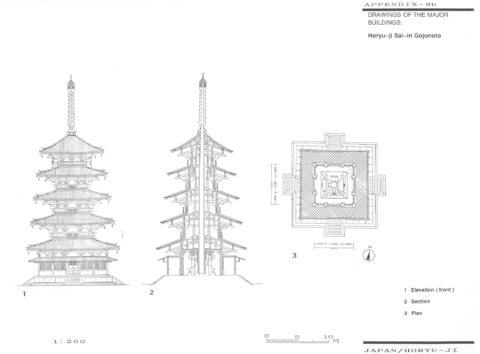
The Shinbashira: A History of Japanese Tree Like Architecture
The Shinbashira (心柱), translated to Spirit pillar, or Heart pillar, Has been around in Japanese architecture for over a millennium,…

Worn Armor vs Lived in Armor
Project Overview: The goal of this project is to find effective ways of comparing Japanese castles to Japanese armor. This…
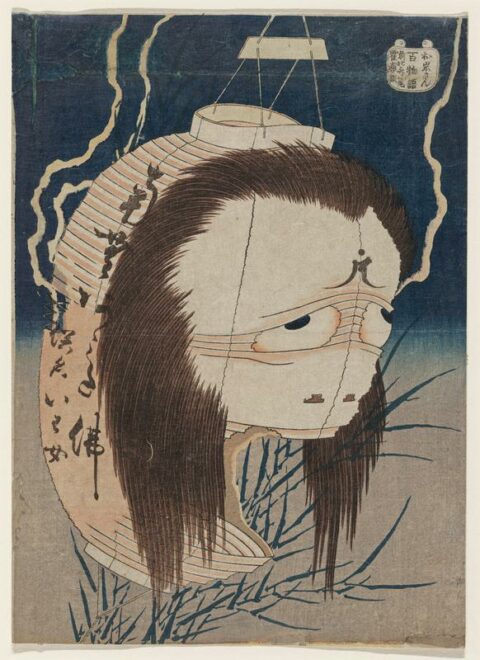
The Japanese Supernatural Horror
WARNING: This article contains imagery and description of violence, including violence against children Manga, such as Tokyo Ghoul and Junji…
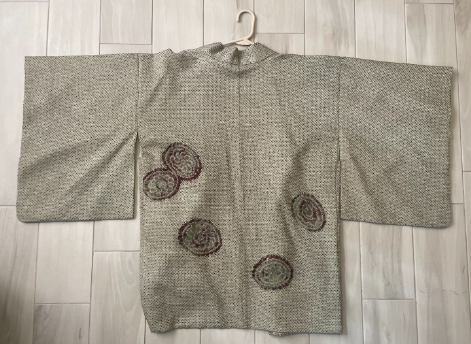
Fashion Evolution: Japanese Fashion as Examined Through Haori
Introduction This exhibition explores the evolution of Japanese fashion in terms of the keyword “identity” and the many ways clothing…
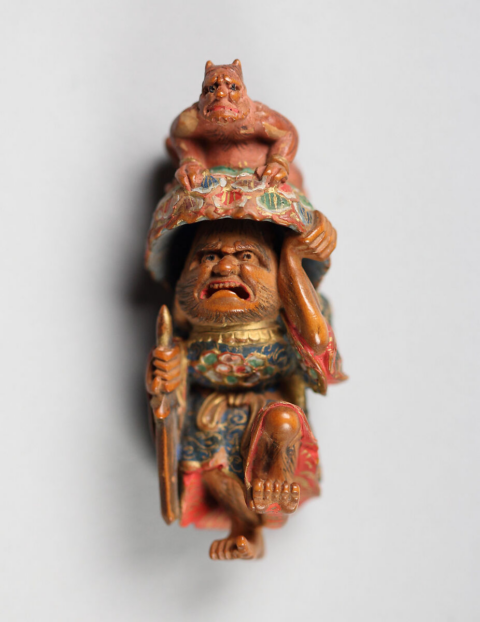
Monsters and Demons in Japanese Art
Monstrous and demonic entities have remained some of Japans most popular artistic subjects through the ages. As religious beings, representing…
Stories in the Smallest Forms
Inrōs, netsukes, and ojimes are prime examples of Japanese craftsmanship. They merge practicality with artistry to create objects rich in…

Shinto Art: An Enduring Tradition
by: Grace Schmidt Shinto is the indigenous religion of Japan. The word Shinto roughly translates to “the way of the…
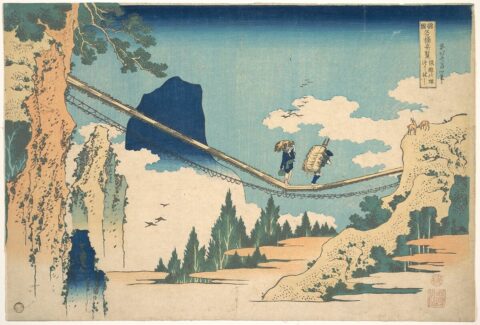
Landscapes of the Late Edo Period
Defining The Edo Period (1603-1868) The Edo Period in Japan, under Tokugawa shogunate rule, was an era of peace that…
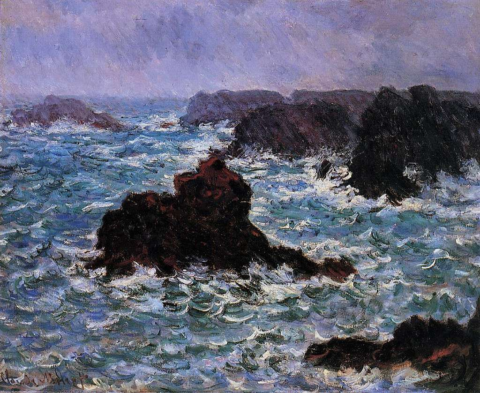
Cross-Cultural Currents: Japanese Paintings and Japonisme
During the Edo Period, Katsushika Hokusai was a prolific Japanese ukiyo-e painter best known today for The Great Wave off…
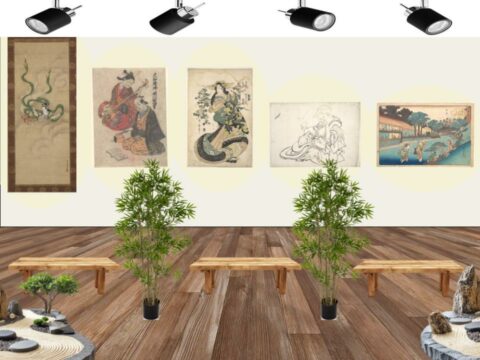
The Women of Edo
Author: Bryn Curtin The concept for this project investigates art from the Edo period in Japan which featured a stylized…
The Force of Nature in Japanese Art
By: Lilu Goren Introduction Japanese culture and art have a deep connection to the natural world. For a long time,…
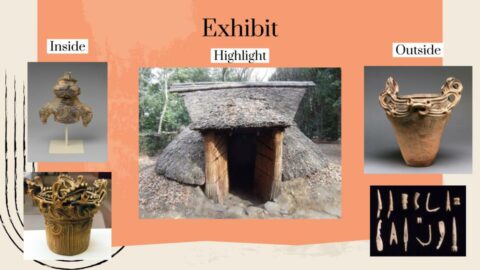
Echoes of the Jōmon: A Village of the Past
History & Background about the Jōmon People In Japan, before written history and widespread agriculture, lived the Jōmon people. Therefore,…
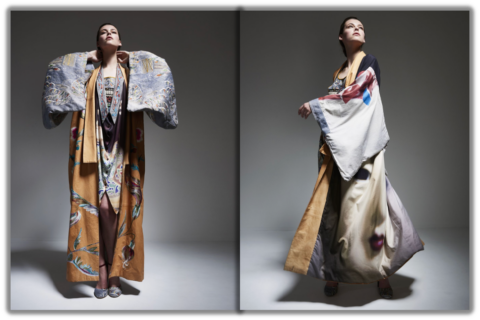
Threads of Tradition
Author: Quentin Drucker This exhibition explores the gaze—both traditional and modern—as it weaves its way through Edo period aesthetics and…
Beyond The Great Wave: Exploring Oceanic Imagery in Japanese Art
Overview In my exhibition, I am analyzing Japanese oceanic art by performing a holistic look at oceanic art throughout Japan’s…
Japanese Tea Caddies Through Time
My research explores the question: What are the key features of a Japanese tea caddy and how do they vary…

Formalisms Look on the Landscapes of the Deity
When looking at these pieces there is only calmness in the brush strokes. The images are quiet and solely for…
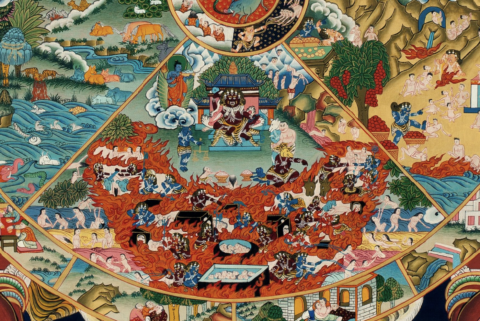
Artistic Depictions of Buddhist Hells
Buddhism has been a fundamental religion and way of life across all of Asia for centuries, but how much of…
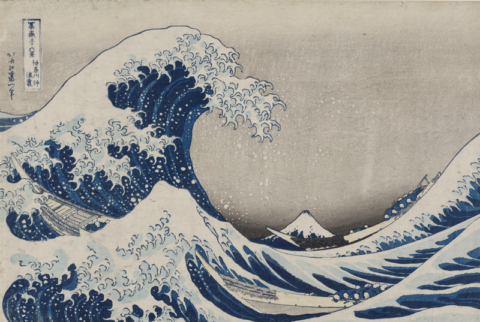
Whispers of the Water: Japanese Woodblock Prints
Introduction In the Edo period (1603–1868), Japanese woodblock prints, or ukiyo-e, often highlighted water as a central thematic and visual…
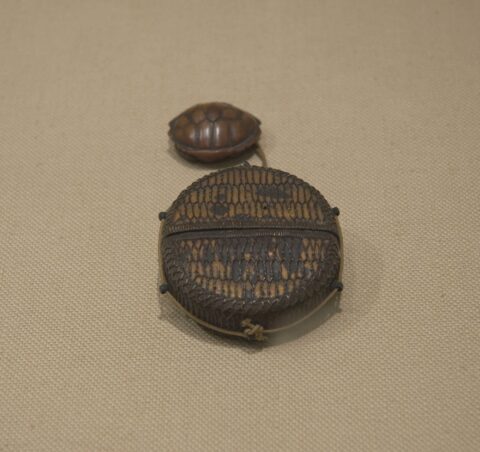
Inrō: Art in the Palm of the Hand
Introduction Japanese inrōs are compact, portable cases traditionally used with Japanese attire to carry small personal items like medicine, seals,…
The Westernization of the Mandala
The mandala, a sacred symbol deeply rooted in Tibetan Buddhism, has transcended cultural boundaries and found new expressions in various…
The Threshold of Nature and Gender in Edo Period Japan
Long narrow hallways, called engawa, span the perimeter of traditional Japanese residences. “Engawa” roughly translates to “veranda”, in English. Flanked…
SUPERNATURAL STORYTELLING: THE HISTORY OF THE JAPANESE SUPERNATURAL PRESENTED IN ART
Overview/Introduction The supernatural are a key part of Japanese art history, often being used as a way to record storytelling…
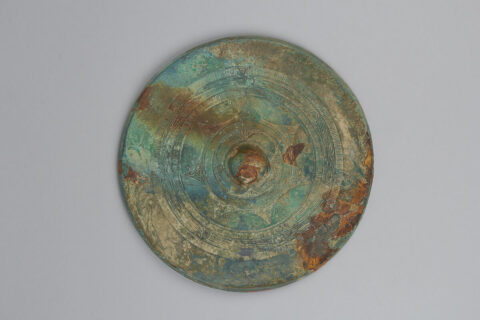
A Reflection of Japan: Japanese Art Explored Through Mirrors
Emmett Manning Introduction: In modern culture, there are many things that we have strictly utilitarian uses for. While objects may…
Nature and Emotion through the “Tales of Genji”
The Tale of Genji is a classic Japanese literary piece written by Murasaki Shikibu in the early 11th century. It is…
The Art of Imperfection: Wabi-Sabi Inspirations
May Eggleston Exhibition Concept: With the theme of Wabi-Sabi, my exhibition lets visitors look into the concept of imperfection, the…
test
toyo
Test Post
Shinto Shrine
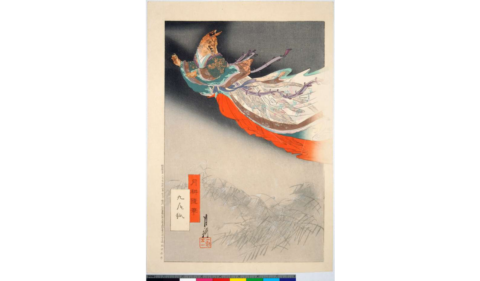
Japanese Folklore: Mythical Subjects and Animal Symbolism
In Japanese culture, the ambiguity found in the attributes of humans is often imposed on the animals depicted in art….
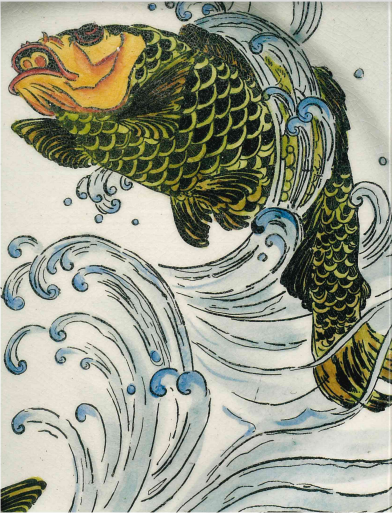
Murakami’s Gaze
Concept statement/overview Embed from Getty Images Embed from Getty Images
Nature in Japanese Art: A Reflection on Beauty and Climate Change
Introduction The depiction of the natural world in Japanese art is a profound and evocative subject that offers deep insights…

Fearsome Protector Deities
What is a fearsome protector? A fearsome protector deity embodies a formidable force, a divine presence revered for its power…

Wrath in Buddhist Art
Wrath as a concept occupies a complex niche in the realm of religion, and as such manifests in a number…
Asian Art and Politics
Research Question : How does asian art correlate with political events in asian history? Mansu Grand Monument Creator : Mansudae…

Jade’s Translucency Through Time
Written by Marcos Villa Marin Jade holds an eminent place in the rich tapestry of Chinese culture, woven deep into…
Asian Trade and Art Nouveau
What is Art Nouveau? Art Nouveau was an art movement in the late 19th and early 20th centuries, inspired by…

Portrayals of Plants in East Asian Art
How are plants depicted through different mediums in East Asian Art How do Asian artists explore the connection between the natural world and humanity through their work? This exhibition displays the nuanced ways plants can be intertwined with Asian Art.

Chinese Imperial Southern Inspection Tours through Handscrolls
How did illustrated handscrolls act as formal documentation of events and as an expression of imperial power during China’s Qing Dynasty?

Feng Shui
Overview I have put the order of examples in a chronological order of how feng shui was first traditionally used…
Religious structure through the eastern and western gaze
Written By: Momo Otieno and Luckmann Pierre Religious structures and temples worldwide testify to the cultures and deities they represent….

Xu Bing, Art as a Language
Research Questions & Significance In our contemporary age, where cultural and artistic exchange has been redefined in a post industrialist…

Exploring the Architectural Legacy of the 2008 Olympic Games
Introduction The Olympics is a world-renowned sporting event that has been taking place over 3,000 years. Every two years, the…

Chinese Courtyard Houses Across Cultures: Comparing the Cultural and the Physical
By Cooper Voss Starting in the Yuan dynasty, the courtyard house was one of the first and most notable structures….

Depictions of the Buddha throughout Different Cultures and Time Periods
Brooke McLoughlin Introduction The research question that I discussed during my exploration for my final project was how the depiction…

Cultural Symbolism in Chinese Armors
Amidst the chaos of battle and the clashing of steel, for a long history the Chinese armors stand not only…
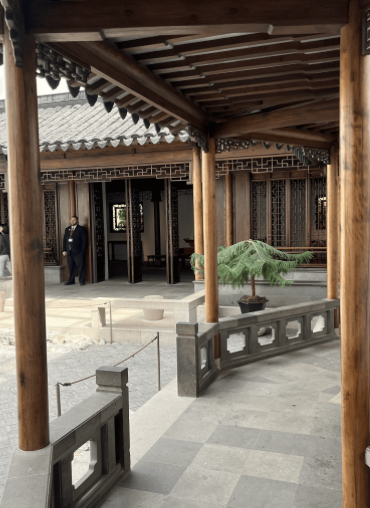
How does Chinese Confucianism architectural design develop to the environment leading to a more sustainable framework?
Confucianism has many intentional and unintentional impacts on Chinese architecture sustainability. Throughout this paper I hope to show the parallels…
Beijing Olympic Architecture
By: Rylie Griffith and Maeve Corcoran Water Cube Exterior Beijing National Aquatics Center | Also known as “Water Cube… |…

Exploring the Influences of Chinese Culture on Modern Architecture in China
Incorporating contemporary elements into traditional architecture allows for a blend of the past and present, preserving historical significance while adapting…

Islamic art in Indonesia
By Griffin Stead and Miles McFarlane When one thinks of the Muslim World, Islamic strongholds which come to mind typically…

The Architectural Evolution of Buddhist Monasteries: A Contemporary Exploration
Introduction Concepts and ideas are of the most malleable human inventions. Nothing stays the same over time; new forests grow…

Japanese Urbanization in Hiroshige’s Ukiyo-e Prints: Rainy Landscapes During the Edo Period
How did the rain depiction in Utagawa Hiroshige’s ukiyo-e prints reflect the rapid urbanization and changing sense of place in…
