Tag: Japan
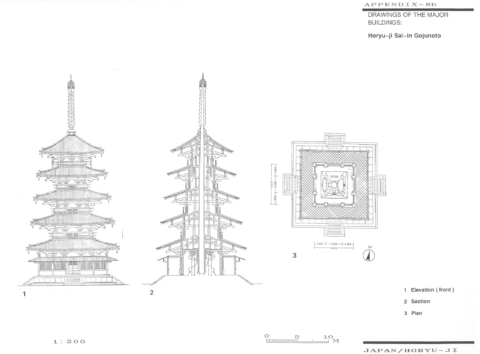
The Shinbashira: A History of Japanese Tree Like Architecture
The Shinbashira (心柱), translated to Spirit pillar, or Heart pillar, Has been around in Japanese architecture for over a millennium,…

Worn Armor vs Lived in Armor
Project Overview: The goal of this project is to find effective ways of comparing Japanese castles to Japanese armor. This…

Shinto Art: An Enduring Tradition
by: Grace Schmidt Shinto is the indigenous religion of Japan. The word Shinto roughly translates to “the way of the…

Threads of Tradition
Author: Quentin Drucker This exhibition explores the gaze—both traditional and modern—as it weaves its way through Edo period aesthetics and…
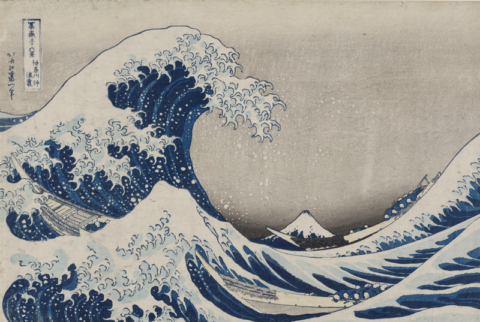
Whispers of the Water: Japanese Woodblock Prints
Introduction In the Edo period (1603–1868), Japanese woodblock prints, or ukiyo-e, often highlighted water as a central thematic and visual…
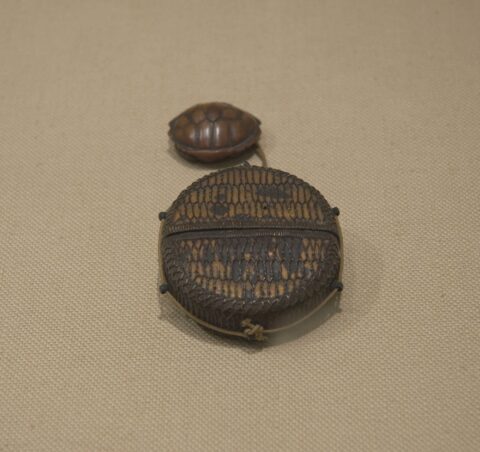
Inrō: Art in the Palm of the Hand
Introduction Japanese inrōs are compact, portable cases traditionally used with Japanese attire to carry small personal items like medicine, seals,…
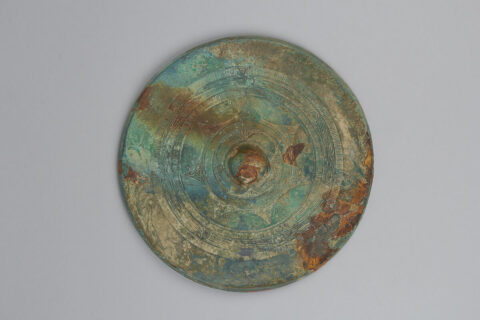
A Reflection of Japan: Japanese Art Explored Through Mirrors
Emmett Manning Introduction: In modern culture, there are many things that we have strictly utilitarian uses for. While objects may…

Torii Gates in Japan and Japanese Religion
By Natalia Hall and Mia Webb What was the original purpose of the torii gate and how has it changed…

Hitogami in Japanese Art
As I explored Asian art this semester, I became very interested in handscrolls and portraiture. My curiosity grew when our…

Japan’s Influence on Mexican Candies and Snacks – Néstor Hernández
Bibliography Sergio Hernández Galindo, E. N. S. / T. by K. M. / 31 A. 2018. (n.d.). Japanese peanuts, a…

Ghosts, Demons, and Spirits: The Depiction of Supernatural Beings in Japanese 2D Art
Introduction/Overview: From Hollows in Bleach, curses in Jujutsu Kaisen, to human-eating demons in Demon Slayer, Japanese 2D art in the…
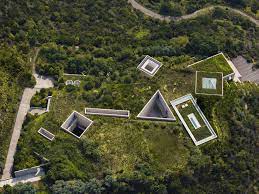
Defining Japan-ness & The Concept Of Nature Within Japanese Architecture
My goal in this project was to find the connection between nature and “Japan-ness” and how that connection is exhibited…

Japanese Gardens Support Well-Being
I am invested in ideas related to biophilia, our innate love of nature, especially when applied to design. The research…

Modern Sculpture in Post World War II Japan
The violence and destruction of World War II in Japan had a profound effect on the country for many decades…

Representations of Traditional and Modern Japanese Architecture in Anime
By Marcos Villa Marin Throughout this publication I will be answering, What are the differences and similarities between Traditional and…

Reshaping Beauty through Japanese Fashion
My research question is: How did Japanese ideals and cultural dress influence modern fashion? This relates to the core question…

Netsuke: Minature Marvels
Research Question: How can we see Netsuke in the past, present, and future of “Japaness”? This question relates to the…

The Catalyst between Traditional and Contemporary Ceramics in Japan
By: Lauren Cecconello Overview This project aims to find the significant changes in Japanese ceramics from the traditional to the…

The History Behind Japan’s Soccer Jerseys and Emblem
Overview Soccer is a big part of my life and I always try to incorporate it in any project if…

Shigin
By: Joseph Robles Synopsis- Shigin(詩吟) is a unique form of poetry recital created in Japan. Shigin was an interpretation of…

Akira Kurosawa: How Important is Color to a Movie’s “Japan-ness”?
In the Western world, cinema has been the fastest-growing form of art and entertainment since the turn of the 20th…

Japan-ness and Dystopia: Why Does Cyberpunk Love Tokyo?
Introduction In the aftermath of the Second World War, Japan was faced with the daunting task of rebuilding its nation…

Androgyny in Japanese Artwork
Overview: Gender expression in artwork is oftentimes a complicated issue to explore because of the many expectations, stigmas, and stereotypes…

The Japanese Dragon in Art and Mythology
Overview What is a Japanese dragon? What makes a Japanese dragon different from other Eastern dragons? Is there truly a…
Chinese/Japanese Landscape Art
Rowan McGrath The Goal of My Chapter This chapter aims to explore further and find the unique beauty of Chinese/Japanese…

Onna-e vs Otoko-e: Paintings Mirror Society During the Kamakura Period
The Heian and Kamakura Periods of Japanese history, lasting from 794 CE to 1186 CE (the Heian Period) and from…

Masters of the Motion Picture
Storytelling has always been a foundational characteristic of human existence and expression. Throughout history, humans have told stories through writing,…
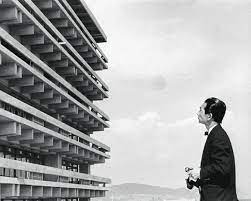
The Influential Kenzo Tange
Overview Kenzo Tange is one of Japan’s most influential and honored architects. Tange was born in Imabari, Shikoku Island, Japan…

The Evolution of Holy Men in Buddhist Art
For my chapter, I chose to study the diffusion of Buddhist art throughout Asia. My selected images clearly show how…

Ancient Japanese Art Seen Through Technology and Astronomy
Astronomy has always been a topic of interest to me; I decided to pursue a degree in physics with a…

Azuchi-Momoyama castles: Opulence, Religion and Defense.
Introduction In 2019 I traveled to Germany and Austria and visited famous castles. I was amazed by their grandiosity which…
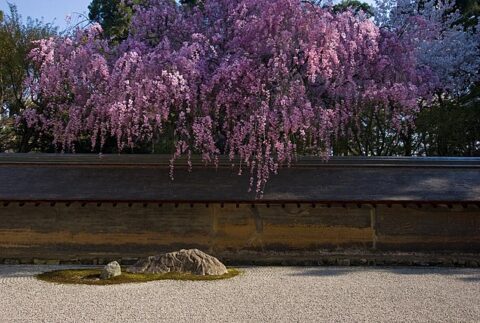
Japanese Zen Gardens
During the Muromachi period in Kyoto, Japan, zen gardens, also known as Karesansui, were often created at temples of Zen…
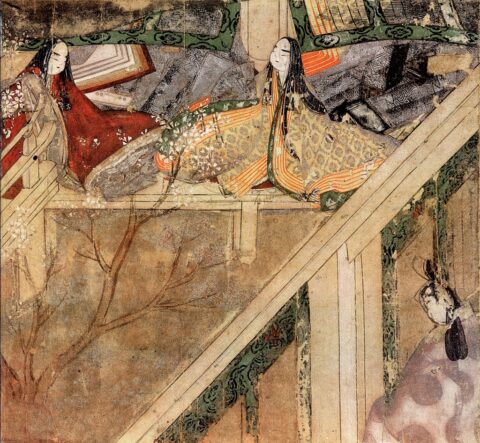
Mono no aware of Japanese Paintings
Abstract This project was inspired by Yasunari Kawabata’s speech at the Nobel Prize for Literature, in which he spoke at…

Japanese Zen Gardens During the Muromachi Period
The Zen gardens of the Muromachi period (1336-1573) in Japan are ones of beauty, peace, and tranquility. The creation of…
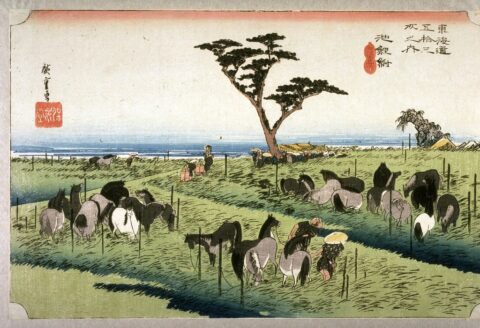
Utagawa Hiroshige: Unveiling the Cultural and Historical Significance of “The Fifty-three Stations of the Tōkaidō”
Maintext Unlike most people, I knew Utagawa Hiroshige as a Ukiyo-e artist before I knew Katsushika Hokusai. I remember seeing…

Sesshū Tōyō: Influences of the Revolutionary Japanese Painter
Background Born in 1420 to an important Samurai family in the Bitchu Province of western Honshu, Sesshū came to be…

The Kano School
Overview: The Kano school of painting was established by Kano Masanobu. This school was associated with the influential zen temples…

Japanese Aesthetics: Wabi Sabi and The Chashitsu
Connor Busch Overview The intention of this exhibition is to explore Japanese ideals about aesthetics through the appearance of Wabi…
Portals and Paths in Japanese Religious Architecture
Exhibit Overview The exhibition Portals and Path in Japanese Religious Architecture examines how religion, sacred places, beliefs influence architecture. This…

Japan: Reflected in Water Throughout Time
Lucy Buchanan Overview This exhibition looks at works of Japanese art that feature images reflected in water. Each piece uses…

Opulent Interplay
By Christian Jacobsen Overview: Edo period Japan was a time of travel and trade. Land was no longer one of…
Representations of Herons in Ohara Shōson and Hashimoto Koei’s Japanese Woodblock Prints
What did herons symbolize in Japanese art? In Japanese culture, herons are valued for being birds who can move across…

Kiyohime and the Significance of Detail in Japanese Art
The tale of Kiyohime and Anchin has been used to justify the Buddhist belief that “women have little inclination toward…

Gender Presentation in Japanese Prints
During the Edo period in Japan, which was 1603 to 1867, it was illegal for women to act or even…

The Architecture of Japanese Buddhist Temples
Natalie Solari Overview: This exhibition takes a closer look at the main buildings of five Japanese Temple Complexes. Temples are…

Everything Changes in Japanese Art
Ramon Carrillo Martinez Overview This exhibition examines five images that showcase correlation between the Buddhist universal truth of impermanence—that “Everything…

Modern Japanese Woodblock Prints of the 20th Century
By: Teddy Keenan Overview- After the collapse of the Tokugawa Shogunate in 1868, Japan opened up to the west. Western…

Transmission and Kachō-e: Birds, Flowers, and Tradition
OVERVIEW As illustrations of both nature and spirit, kachō-e (花鳥絵) or kachō-ga (花鳥画) woodblock prints have have long been regarded…

The Wealth of Water: Ando Hiroshige’s aquatic prints of the 19th century
Sofia Di Scipio Overview Water has been an essential means of life, transportation, and trade in Japan for centuries. The…

Understanding Cultures through Clothing: Ainu Attush and Salmon Clothing
When one looks at another country from an outside perspective many things are lost. People assume that the country, as…
